


Fiction Commentary
Launch Year
~September 2026
Formats & Presentations
- Video Essays
- Publication Reviews
- Audio Logs
Topics of Discussion
- Star Trek Franchise Releases
- Trek Culture & Social Views
- Social Embeddedness of Trek
Blerd Speaks Mental Health • Online Space
This online space is dedicated to my musings, observations, and reflections on mental health—both broadly and within my personal journey. I often find myself reflecting on the lives of my peers, friends, family, and the wider spectrum of sentient experience. How we conduct our affairs often reveals what we value, what we neglect, and what we take for granted.
I am no expert, though I have professional experience and training in educational executive functioning. What I share here is not doctrine but personal insight, drawn from the esoteric manifestations of my mental health journey—those that surface in both triumph and tumult.
Mental Health Diagnosis Journey (MH.DX.JRNY) • Pt.1 – U Sure Its Not Tism?
MH.DX.JRNY is my compendium, a first web series chronicling a lifetime of navigating mental health across multiple dimensions: the chronic, the prevalent, and the subtle manifestations of cognitive differences. My first series, Can’t Believe It’s Not ‘Tism: You Tell Me If I’m ASD-HD, explores what I suspect to be an intersection of autism and hyperactivity. Diagnoses, I believe, cannot come from one source alone. Medical expertise, familial observations, personal reflection, and lived experiences all play a role in creating a complete and honest picture.
How Did We Get Here? • A Side Story
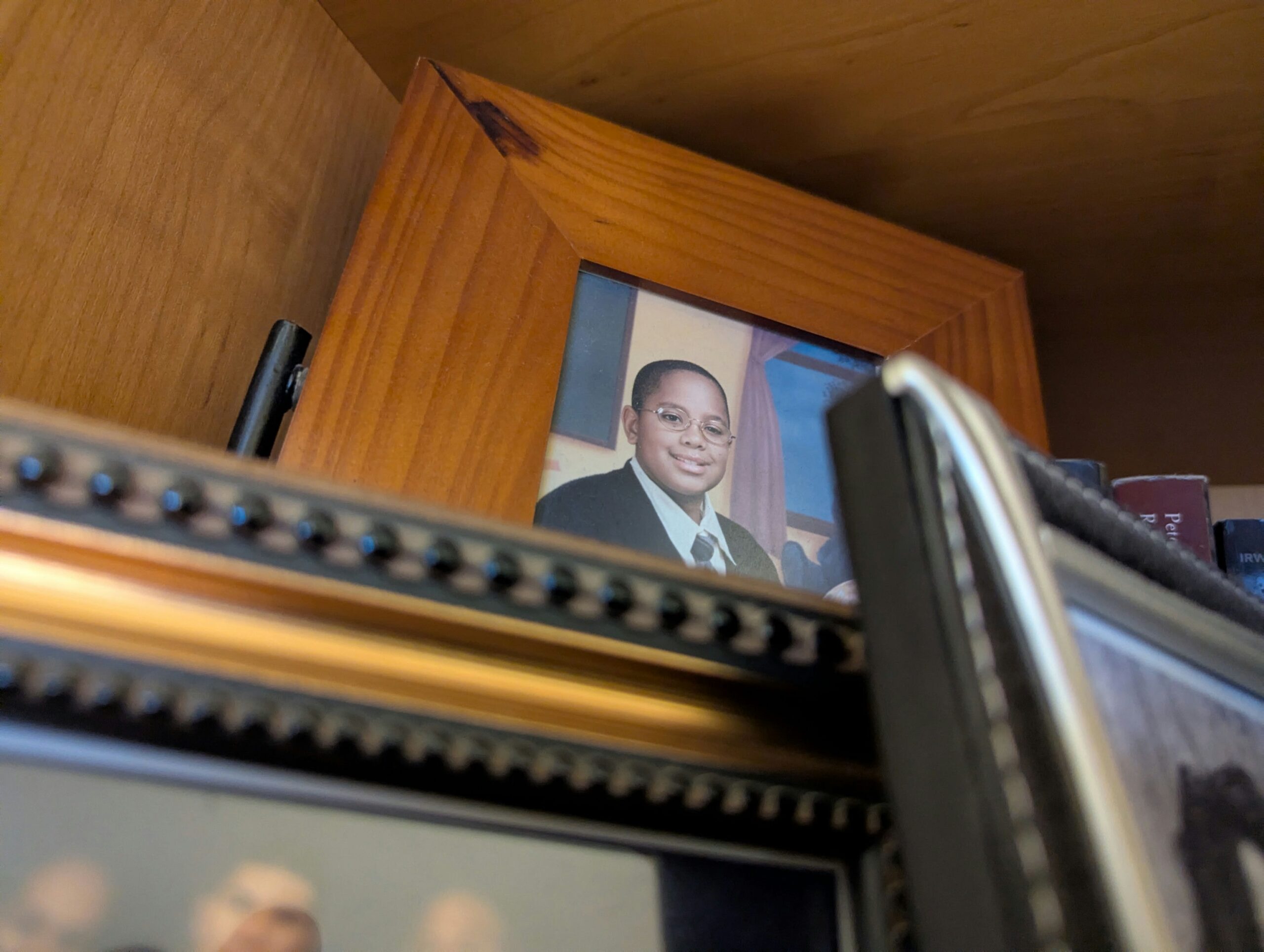
Miss Katz kept sending letters home. Each day, she’d review our homework assignments in those classic black-and-white composition notebooks and pen a note to my parents if she found my work or behavior worth mentioning. At first, my parents took these letters seriously, intervening on behalf of the teacher’s wisdom. A stern scolding, scaffolded by sound logic, were tailored to an intellectual young mind like mine—even in the first grade. Eventually, though, after the second dozen letters, my parents began questioning the efficacy of Miss Katz’s concerns. Her suggestions evolved from observations about my off-task tendencies and vivacious energy to the suggestion that I undergo a behavioral evaluation.
This was the dam breaker. My father, spearheading their response, suspected racism. He questioned whether Miss Katz’s concerns were rooted in a broader bias against a lively young Black boy who didn’t fit her expectations. With over 25 years of hindsight, I now recognize that while unconscious racialism may have flavored her tone and assumptions, her concerns were not unfounded. Miss Katz knew, as I’ve come to know, that I was different—not in a way that disrespected authority or disregarded the work at hand, but in a way that often disrupted the orderly flow of the classroom.
My academic marks were almost always at the top of the charts. My work was completed early, with enthusiasm, so long as extended reading wasn’t involved. I was hungry for knowledge, but my social and cognitive navigations often strayed into disruptive waters. I’d finish early, lose focus, read ahead, or sketch imaginative doodles in the margins of my notebooks. While engaged in lessons, my energy often bubbled over, creating tension in a structured classroom environment. My parents refused Miss Katz’s suggestion of an evaluation, and I believe this refusal marked a turning point—a missed opportunity to understand the ways my mind worked, one with long-term effects on my mental health.